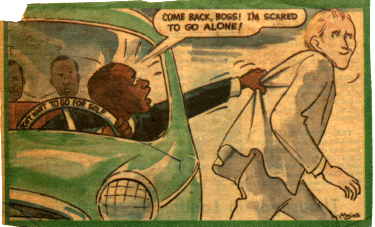
 Learned helplessness, as a technical term in animal psychology and related human psychology, means a condition of a human person or an animal in which it has learned to behave helplessly, even when the opportunity is restored for it to help itself by avoiding an unpleasant or harmful circumstance to which it has been subjected. Learned helplessness theory is the view that clinical depression and related mental illnesses may result from a perceived absence of control over the outcome of a situation. - Wikipedia, the free encyclopedia
Also find definition of LHT at:

Also read the definition of Battered (Wife) Person Syndrome:
The syndrome develops in response to a three stage cycle found in domestic violence situations. First, tension builds in the relationship. Second, the abusive partner releases tension via violence whilst blaming the victim for having caused the violence. Third, the violent partner makes gestures of contrition. However, the partner does not find solutions to avoid another phase of tension building and release so the cycle repeats. The repetition of the violence despite the abusers attempts to "make nice" results in the abused partner feeling at fault for not preventing a repeat cycle of violence. However since she is not at fault and the violence is internally driven by the abuser's need to control, this self-blame results in feelings of helplessness rather than empowerment. The feeling of being both responsible for and helpless to stop the violence leads in turn to depression and passivity. This learned depression and passivity make it difficult for the abused partner to marshall the resources and support system needed to leave.[7]
Feelings of depression and passivity may also be created by lack of social support outside of the abusive situation. Research in the 1980s by Gondolf and Fisher found that women in abusive situations increase help seeking behavior as violence intensifies. However, their attempts at seeking help are often frustrated by unresponsive extended family and social services.[8] In a 2002 study, Gondolf found that more than half of women had negative views of shelters and programs for battered women because of negative experiences with those programs.
___________________________________________
 From the lecture by Student Minister Nuri Muhammad, May 23rd, 2011. For more information click the link below:


No comments:
Post a Comment